Skip to content

Currently in view:TAL·US

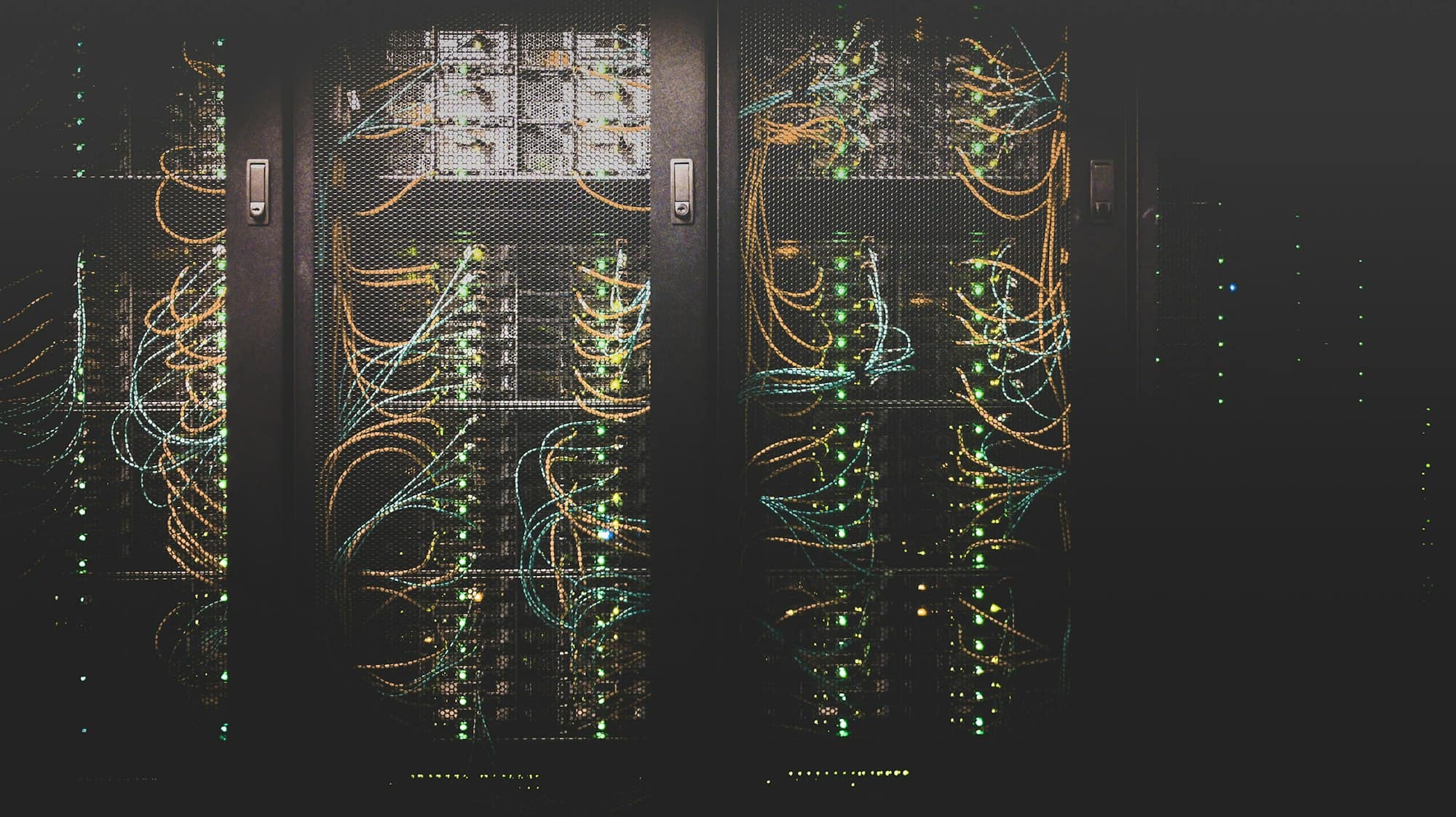
Close view of network equipment racks with structured fibre optic patching.
Infrastructure is part of the deliverable, not an afterthought bolted on at the end.

Software engineering

TAL·ENG

Application development from specification through to production, in maintained, documented code that another team can pick up.

  • Web applications
  • Internal business tools
  • Enterprise software
  • Data-driven applications
  • Migration of legacy systems

SaaS platforms

TAL·SAS

Multi-customer platforms, including the unglamorous parts: tenancy, roles, billing hooks, audit trails and administration.

  • Multi-tenant architecture
  • Authentication and role-based access
  • Subscription and usage models
  • Administration and support tooling
  • Product analytics and reporting

Cloud infrastructure

TAL·CLD

Infrastructure sized to the workload and documented well enough that recovery is a procedure rather than an emergency.

  • Architecture and environment design
  • Infrastructure as code
  • Deployment pipelines
  • Monitoring and alerting
  • Backup and disaster recovery

Systems integration

TAL·INT

Connecting software that was never designed to be connected, with clear contracts and predictable failure behaviour.

  • API design and implementation
  • Third-party service integration
  • Data synchronisation
  • Webhooks and event handling
  • Migration and data mapping

Automation

TAL·AUT

Removing repetitive work from a process, starting with the steps that are done daily and get done wrong when people are busy.

  • Business process automation
  • Scheduled and triggered jobs
  • Document and report generation
  • Internal workflow tooling
  • Notification and escalation rules

Security and architecture

TAL·SEC

Sensible defaults applied consistently. We follow established practice rather than claim certifications we do not hold.

  • Access control and least privilege
  • Secrets and credential handling
  • Input validation and data handling
  • Audit logging
  • Dependency and update management

On certifications

Talia does not hold or claim formal security certifications. We apply recognised engineering practice, we document what we have done, and we will answer specific security questions in writing during procurement.

Four stages, in order.

Technology work at Talia runs through the same sequence every time. Each stage ends with something you can read, review and approve.

  1. Discovery

    We establish what the system has to do, who uses it, what it connects to and what would count as finished. The output is a written scope and a fixed price or a rate and an estimate.

  2. Design

    Architecture, data model and interface decisions are made and recorded before code is written. You see the structure and the screens while they are still cheap to change.

  3. Build

    Development in short increments, each one deployed to an environment you can use. Progress is visible in working software rather than status reports.

  4. Operate

    Handover with documentation and access, then a support arrangement if you want one: monitoring, updates, fixes and further development.

Discuss a project

Tell us what the system has to do and who has to use it. We will come back with a scope, a price and a date.

Direct enquiries · [email protected]